


Key Takeaways
- Home care provides non-medical assistance with daily tasks, while home health care offers clinical services such as skilled nursing and therapy.
- Activities of Daily Living (ADLs) are basic self-care tasks, and Instrumental Activities of Daily Living (IADLs) are more complex tasks for independent life.
- Understanding these terms helps you communicate your loved one’s needs clearly to a care team.
- This knowledge empowers you to find the right level of support, especially for recovery from surgery or a change in health.
Navigate Care for Older Adults with Clear Terms
As a caregiver, you want to find the support your loved one needs to live comfortably and safely. When you begin exploring options, you may encounter a new world of terms and definitions. From “home care” to “ADLs,” the language can be confusing, but providers like Bethany Village Home Health Care are here to help you navigate your choices.
Learning a few key phrases can make the process much smoother. Understanding the language of care helps you identify specific needs, communicate clearly with health professionals, and develop a plan that truly supports your family member. Knowing the difference between services, such as skilled nursing and various therapies, empowers you to advocate for them effectively.
Home Care and Home Health Care Definitions
The Scope of Home Care
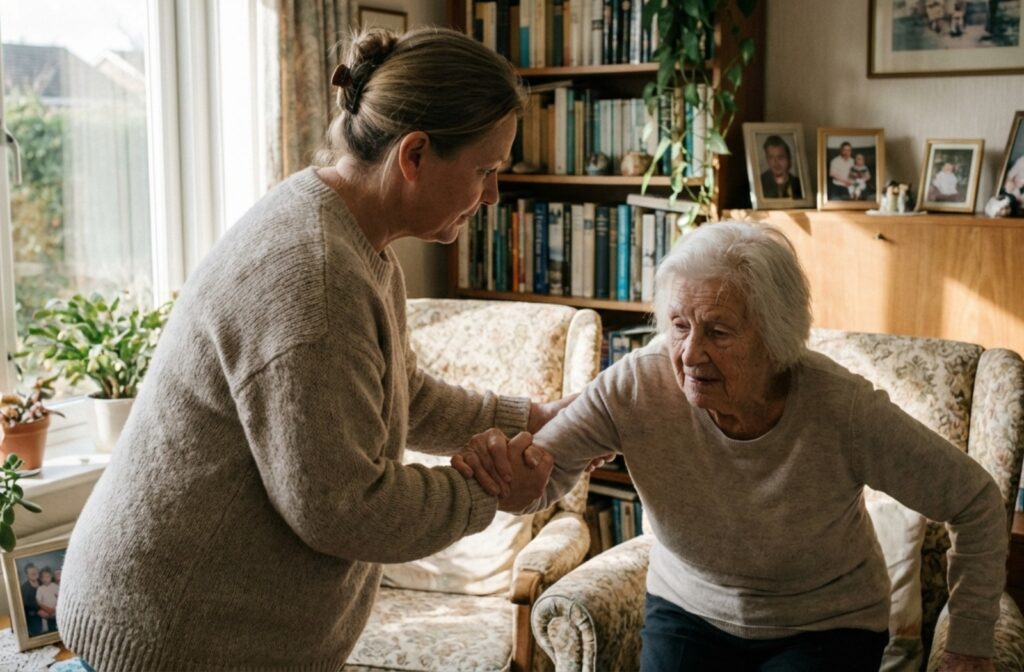
Think of home care as a broad term for non-medical support provided in the home. The focus is on helping with daily routines and maintaining a safe, comfortable living environment. Services can include companionship, meal preparation, light housekeeping, and assistance with errands.
This type of support also offers valuable companionship, which can help reduce feelings of loneliness and caregiver stress. It is designed to assist older adults who need a helping hand with everyday tasks but do not require clinical attention, helping them continue to live at home with dignity.
The Focus of Home Health Care
Home health care, such as offered by Bethany Village Home Health Care, is a more specific type of medical care. A physician recommends these services to help with recovery from an illness, injury, or surgery. You can find answers to frequently asked questions about how physician recommendations and insurance work with these services. This level of support includes professional services from licensed clinicians.
Examples of home health care include skilled nursing for wound care or medication management. It also includes therapies to restore function. For instance, a physical therapist helps restore mobility, while an occupational therapist might help a person relearn daily tasks. A speech therapist can assist with communication or swallowing challenges.
Definitions of Daily Living Activities
Activities for Daily Living (ADLs)
Activities for Daily Living, or ADLs, refer to the fundamental tasks of personal care. The ability to perform these basic self-care tasks is a key measure of a person’s functional status. Knowing about ADLs helps you and your care team assess the level of hands-on support a person may need.
As a caregiver, you may notice small changes in these areas first. Perhaps a loved one has difficulty buttoning a shirt or seems unsteady in the shower. These observations are important clues about their changing needs.
Common ADLs include:
- Bathing and showering
- Dressing and grooming
- Eating
- Moving from a bed to a chair
Instrumental Activities of Daily Living (IADLs)
Instrumental Activities of Daily Living, or IADLs, are the more complex tasks required to live independently within a community. While not as fundamental as ADLs, they are important for managing a household. Difficulty with IADLs is often one of the first signs that an older adult may need more support.
Help with IADLs can make a significant difference, from ensuring proper nutrition with a healthy meal plan to managing medications. This support helps your loved one maintain independence and safety at home.
IADLs often include:
- Managing finances and paying bills
- Shopping for groceries
- Preparing meals
- Performing housekeeping and laundry
- Managing medications
Types of Care Schedules
Intermediate Care for Recovery
Intermediate care is a type of short-term assistance, usually following a hospitalization, surgery, or change in health. The primary goal is rehabilitation and recovery. It acts as a bridge, helping your loved one transition from a hospital setting back to their normal routine at home with a compassionate, community-based approach.
This care is provided for a set period, with goal-oriented activities to help a person regain strength and functional abilities. The aim is to return to full independence and reduce the chance of rehospitalization.
Intermittent Care for Assistance
Intermittent care involves scheduled visits from a health professional a few times a week or a month. It is not continuous, round-the-clock care. Instead, it provides targeted support for specific needs on an ongoing basis to manage health and maintain stability.
This could be a nurse visiting twice a week for wound care or a physical therapist leading scheduled sessions to work on balance exercises for older adults. The goal is to manage chronic conditions and provide ongoing support so your loved one can continue to live at home safely.
Find the Right Support for Your Family
When you can speak the language of home health care, you become a more empowered advocate for your loved one. These terms give you the tools to describe your family’s situation accurately, communicate with medical professionals, and collaborate effectively with a care team.
Whether your family member needs support during a surgery recovery or requires ongoing care for an older adult, clarity is key. For families in the Dayton area, Bethany Village Home Health Care offers professional skilled nursing and licensed therapies in your home.
When your physician recommends medical support, you have a choice to turn to a team ready to serve you. Contact our team to discuss your family’s needs and learn more.