

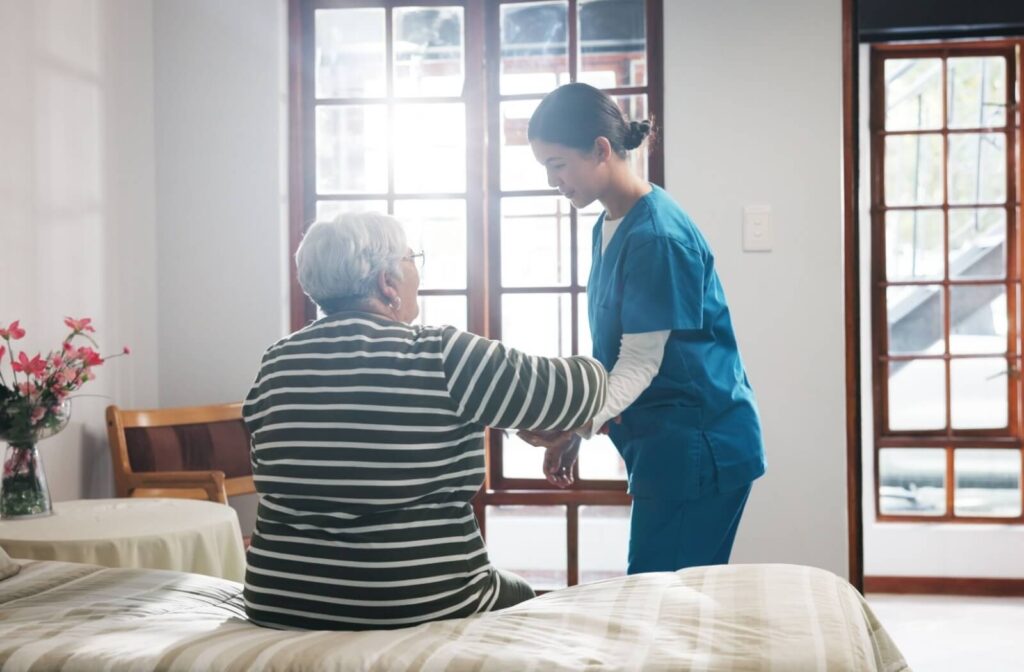
When someone you love is recovering from an illness or facing new health challenges, it can be difficult to know what type of support is right. Many families look for care options that provide medical oversight without requiring a move, especially when home still feels like the right place to heal. That’s where home health care becomes ideal.
Home health care delivers physician-directed medical services in the home to support recovery, stability, and long-term health. These services are carried out by clinical professionals who understand the needs of aging adults who may be managing complex conditions. It’s all about managing health needs in a familiar, comfortable setting.
Key Takeaways
- Home health care provides doctor-prescribed medical support at home from licensed professionals.
- It is different from home care, which assists with non-medical daily tasks and companionship.
- Common reasons for home health care include recovery from surgery, managing ongoing health conditions, and support after a medical incident.
- Services can include skilled nursing, physical therapy, occupational therapy, and speech therapy.
- Receiving care requires a doctor’s order and meeting certain criteria, such as being homebound.
What Home Health Care Means for Your Loved One
Different in-home services can help you find the right assistance for an older adult in your family. While home health care focuses on clinical needs, other types of care assist with daily living. You’ll want to make sure home health care is actually the right choice for your loved one.
Home health care is a clinical service provided in the home under the direction of a physician. It’s designed around helping older adults focus on recovery, safety, and medical stability. This service is perfect for people who need to access short-term or ongoing medical oversight without the stress of traveling to appointments.
Although the two terms sound similar, home health care and home care serve different roles. Home health care focuses on clinical needs and requires a doctor’s recommendation. Meanwhile, home care offers help with everyday tasks such as bathing, meal preparation, and light housekeeping. Families sometimes use both types of services at once, depending on the person’s needs.
When Is Home Health Care Needed?
There are moments when managing care at home becomes more complex, and families want support that aligns closely with medical guidance. Home health care can help bridge gaps by offering skilled services that support recovery, comfort, and safety at home.
It’s ideal for situations such as:
- Recovery after surgery
- Healing from an injury or fall
- Monitoring and support after a medical event
- Managing chronic illnesses or new diagnoses
- Cognitive-related health needs requiring clinical supervision
Every person’s situation is unique, and health needs can shift quickly after a hospital stay or medical event. Home health care responds to these changes by supporting the goals outlined in the doctor’s plan. With consistent oversight from trained professionals, families gain reassurance that their loved one’s care needs are being addressed at home.
Types of Services Provided Through Home Health Care
Home health care includes a range of clinical and supportive services that work together to promote recovery and stability. Each service is guided by the physician’s recommendations and is delivered by licensed professionals who understand how health needs shift over time.
Skilled Nursing Services
Skilled nursing brings clinical expertise into the home to support health needs that require a trained professional. Nurses may provide wound care, manage medications, administer injections, or monitor symptoms related to chronic or new conditions. They also communicate with the physician to report progress or concerning changes.
Therapy Services at Home
Therapy plays an important role in helping people regain strength, mobility, and independence after illness or injury.
These therapists and programs can help with:
- Movement and balance
- Fine motor skills
- Regaining strength
- Using adaptive tools
- Communication and swallowing
Providing these therapies at home lets the therapist observe real-life challenges in the person’s everyday environment. This makes the exercises more practical and easier to apply throughout the day.

How to Start Home Health Care Services
Beginning home health care involves a few steps that help match the services to your loved one’s medical needs. The process remains straightforward and focused on clear communication between families, physicians, and the home health agency.
Speak With Your Loved One’s Doctor
The first step is to talk with your loved one’s physician about their current health needs and whether home health care is appropriate. The doctor will determine if clinical support at home is medically necessary and can provide a referral to begin services. They outline the goals for recovery and identify which professionals should be involved.
Meeting Homebound Criteria
To qualify for home health care, the person generally must be considered homebound. This means leaving home requires considerable effort, whether due to mobility challenges, medical symptoms, or the need for assistance from another person or device.
Connect With a Home Health Agency
Once the doctor recommends home health care, the next step is choosing a Home Health Care provider that will meet your or your loved one’s needs. The agency will review the referral, introduce the care team, and schedule an initial assessment to understand the person’s needs. A member of the care team will meet with the referred patient within 24 hours of the recommendation. This assessment helps create a personalized plan that reflects the physician’s recommendations and the family’s concerns.
Is a Home Healthcare Provider Right for Your Loved One?
Home health care can be a meaningful option for people who need medical support at home but benefit from staying in a familiar environment. These services offer licensed expertise, steady communication with the physician, and compassionate guidance during recovery. With a focus on safety and comfort, home health care can make challenging periods feel more manageable.Here at Bethany Village, we’re ready to support your family. Our team understands how stressful these decisions can be, and we work closely with each family to shape an approach that aligns with their goals. We are proud to bring skilled, compassionate care to homes throughout our community. Contact us today to learn how we can give your loved one the support they need.